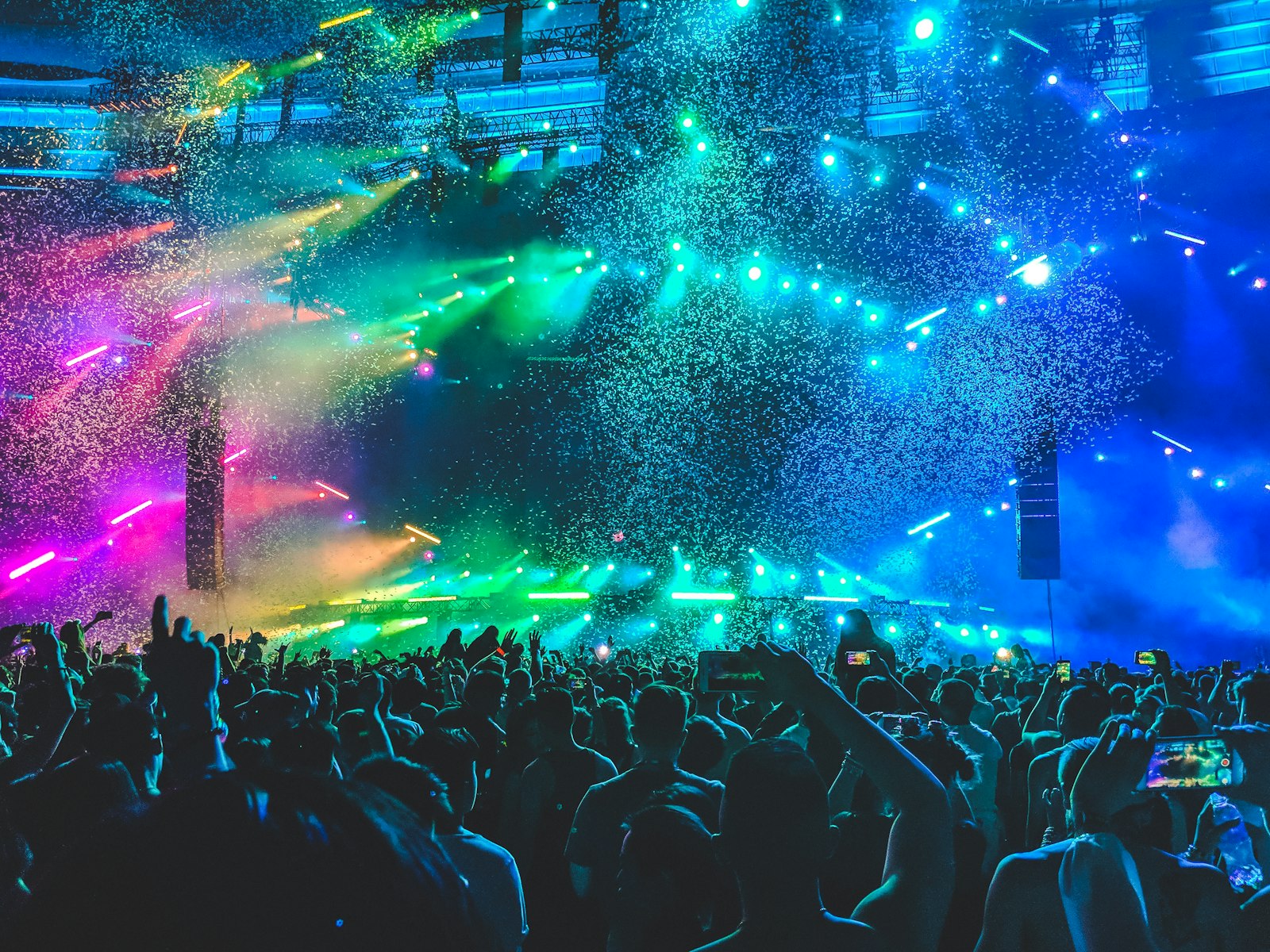
Attending your first multi-day music festival is a rite of passage for many music lovers. It's an experience that combines music, community, and adventure in ways that can be both exhilarating and overwhelming. This comprehensive guide will help you navigate your first festival experience with confidence, ensuring you create memories that last a lifetime while staying safe and comfortable.
01.Understanding What to Expect
Multi-day festivals are immersive experiences that go far beyond a single concert. You'll be spending 48-72 hours (or more) in an environment designed to maximize music, community, and fun. Understanding the festival environment is crucial for proper preparation.
The Festival Environment
Festivals create temporary communities where thousands of people come together around shared musical interests. You'll encounter:
- Continuous Music: Stages run from early afternoon until sunrise
- Crowded Spaces: Expect large crowds, especially during headliner sets
- Weather Exposure: You'll be outdoors for extended periods
- Limited Amenities: While modern festivals offer many comforts, resources can be limited
- High Energy: The atmosphere is electric, but it can be physically demanding
Physical and Mental Preparation
Festivals are physically demanding. You'll be:
- Walking 5-10 miles per day
- Standing for extended periods
- Dancing for hours
- Managing sleep deprivation
- Dealing with weather extremes
Start preparing your body 2-3 weeks before the festival:
- Increase daily walking
- Practice standing for longer periods
- Build cardiovascular endurance
- Get adequate sleep in the weeks leading up
- Stay hydrated consistently
02.Essential Packing List
Clothing Essentials
Comfort is King:- Shoes: Your most important item. Choose broken-in, supportive shoes with good cushioning. Consider waterproof options if rain is possible
- Socks: Pack multiple pairs of moisture-wicking socks. Change them daily to prevent blisters
- Layers: Weather can change rapidly. Pack:
- Pants: Comfortable, flexible pants or shorts. Avoid denim if possible - it's heavy and uncomfortable when wet
- Hat: Wide-brimmed hat for sun protection
- Bandana or Buff: Multi-purpose item for sun protection, dust, or as a sweatband
Camping Gear (If Applicable)
Sleeping:- Quality tent (practice setting it up beforehand!)
- Sleeping bag appropriate for expected temperatures
- Sleeping pad or air mattress
- Pillow (camping pillow or regular)
- Eye mask and earplugs for sleeping
- Portable camp stove (if allowed)
- Cooler with ice packs
- Reusable water bottles
- Non-perishable snacks
- Easy-to-prepare meals
- Camping chairs
- Portable table
- Battery-powered fan
- Portable charger for devices
- Headlamp or flashlight
Health and Safety Items
First Aid:- Bandages and gauze
- Antiseptic wipes
- Pain relievers (ibuprofen, acetaminophen)
- Antihistamines for allergies
- Anti-diarrheal medication
- Electrolyte packets
- Sunscreen (SPF 30+, reapply every 2 hours)
- Lip balm with SPF
- Wet wipes (you'll thank yourself)
- Hand sanitizer
- Toilet paper (portable packs)
- Menstrual products (if applicable)
- Prescription medications (in original containers)
- High-fidelity earplugs (protect your hearing while maintaining sound quality)
- Backup foam earplugs
03.Financial Planning
Budget Breakdown
Tickets: $200-600 depending on festival Accommodations:- Camping: $50-150
- Hotels: $100-300/night
- Airbnb: $80-250/night
Money-Saving Tips
- Buy tickets during early bird sales
- Share accommodations with friends
- Pack your own food and snacks
- Bring a reusable water bottle
- Limit merchandise purchases
- Use cashless payment if available (often offers discounts)
04.Creating Your Festival Schedule
Research Before You Go
- Download the Festival App: Most festivals have official apps with schedules, maps, and updates
- Study the Map: Know where stages, restrooms, medical tents, and exits are located
- Identify Must-See Artists: Create a priority list, but stay flexible
- Plan Meeting Spots: Designate specific locations if your group gets separated
- Check Set Times: Plan your day around artist schedules
Time Management
Balance is Key:- Don't try to see everything - you'll exhaust yourself
- Schedule breaks between sets
- Allow time for meals
- Factor in travel time between stages
- Build in buffer time for unexpected delays
- 10:00 AM: Wake up, breakfast
- 12:00 PM: Explore festival grounds
- 2:00 PM: First sets of the day
- 5:00 PM: Dinner break
- 7:00 PM: Evening sets begin
- 11:00 PM: Headliner sets
- 2:00 AM: Late night sets or return to camp
05.Staying Healthy and Safe
Hydration Strategy
Dehydration is one of the most common festival issues. Develop a hydration plan:
- Pre-Hydrate: Start drinking extra water 2-3 days before
- During Festival: Drink 16-32 oz of water per hour
- Electrolytes: Supplement with electrolyte drinks, especially if dancing heavily
- Signs of Dehydration: Dark urine, dizziness, fatigue, dry mouth
- Water Sources: Know where free water stations are located
Nutrition Tips
Festival food can be expensive and not always nutritious:
- Eat Regular Meals: Don't skip meals, even if you're not hungry
- Pack Snacks: Nuts, protein bars, fruit
- Balance: Include protein, carbs, and healthy fats
- Avoid Heavy Meals: Before dancing, eat light
- Post-Festival Recovery: Plan nutritious meals for after
Rest and Recovery
Sleep is crucial for festival enjoyment:
- Prioritize Sleep: Aim for 6-8 hours per night
- Create Sleep Environment: Eye mask, earplugs, comfortable bedding
- Nap Strategically: Short 20-30 minute naps can recharge you
- Listen to Your Body: If you're exhausted, rest instead of pushing through
Safety Measures
Personal Safety:- Use the buddy system - never wander alone, especially at night
- Share your location with trusted friends
- Keep phone charged
- Know where medical and security tents are located
- Trust your instincts - if something feels wrong, leave
- Know your limits
- Stay hydrated if consuming alcohol
- Never accept drinks from strangers
- Test substances if using (test kits available)
- Have a sober friend if possible
06.Festival Etiquette
Respecting Others
- Personal Space: Be mindful of others' space, especially in crowds
- Clean Up: Pack out what you pack in
- Noise: Respect quiet hours in camping areas
- Photos: Ask before taking photos of strangers
- PLUR: Embrace Peace, Love, Unity, and Respect
Respecting the Environment
- Follow Leave No Trace principles
- Use recycling and trash bins properly
- Don't damage natural areas
- Respect wildlife
- Minimize your environmental impact
07.Making the Most of Your Experience
Embrace the Community
Festivals are about connection:
- Talk to People: Strike up conversations with fellow festival-goers
- Share Experiences: Trade stories and recommendations
- Help Others: Offer water, help with directions, assist those in need
- Join Activities: Participate in workshops, art installations, games
Document Your Experience
- Take Photos: But don't spend the whole time behind a screen
- Journal: Write down memories each day
- Collect Memories: Save wristbands, maps, or other mementos
- Share Responsibly: Post on social media, but be present in the moment
Stay Flexible
Things won't go exactly as planned:
- Artists may cancel or change sets
- Weather can disrupt schedules
- You might miss something you wanted to see
- Plans with friends might change
Embrace the unexpected - some of the best festival memories come from unplanned moments.
08.Post-Festival Recovery
Physical Recovery
- Rest: Give your body time to recover
- Hydrate: Continue drinking water
- Nutrition: Eat balanced, nutritious meals
- Sleep: Catch up on sleep debt
- Gentle Exercise: Light walks can help with soreness
Mental Recovery
- Post-Festival Blues: It's normal to feel down after an amazing experience
- Stay Connected: Keep in touch with festival friends
- Plan Next Adventure: Having something to look forward to helps
- Process Memories: Look through photos, write about your experience
09.Common First-Timer Mistakes to Avoid
1. Overpacking or Underpacking: Research what you actually need 2. Not Breaking in Shoes: New shoes = blisters 3. Skipping Meals: You need fuel to enjoy the experience 4. Trying to See Everything: You'll exhaust yourself 5. Ignoring Hydration: Dehydration ruins festivals 6. Not Planning for Weather: Check forecasts and prepare 7. Forgetting Ear Protection: Protect your hearing 8. Not Setting Meeting Spots: Easy to get separated 9. Overspending: Stick to your budget 10. Not Resting: Pushing through exhaustion leads to bad experiences
10.Conclusion
Your first multi-day music festival is an adventure that will create lasting memories. Proper preparation is the key to maximizing enjoyment while staying safe and healthy. Remember that festivals are about the experience as a whole - the music, the people, the atmosphere, and the personal growth that comes from stepping outside your comfort zone.
Start preparing early, pack thoughtfully, and most importantly, go with an open mind and positive attitude. Your first festival is just the beginning of what can become a lifelong passion for live music and community. Embrace every moment, stay safe, and get ready for an experience that will change how you view music, community, and yourself.